Tolantongo Hot Springs, Thermal Pools, and Waterfalls Guide
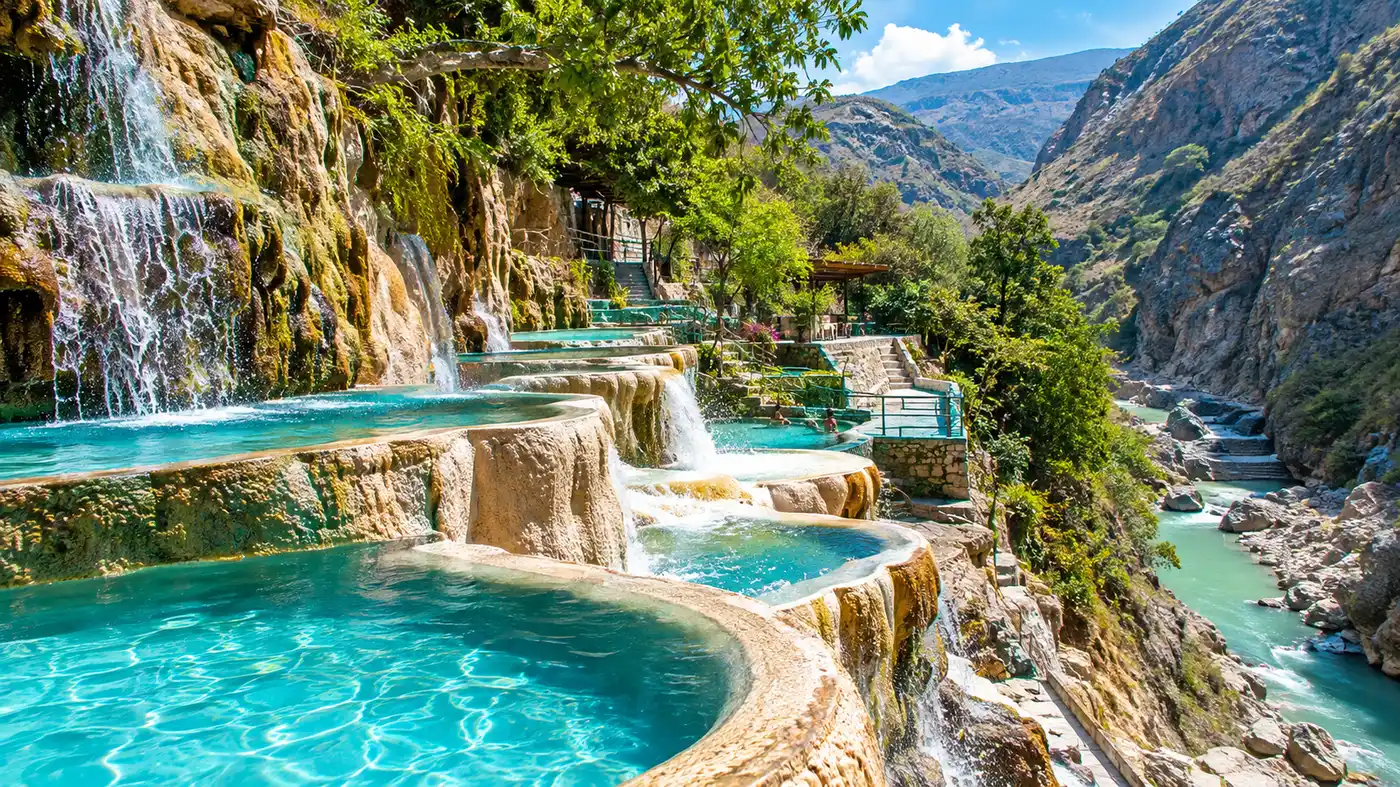
You smell the sulfur before you see the water. It hits your nose right as your van groans around the final switchback on the steep road descending into the Mezquital canyon. Then, through the dusty acacia branches, you catch a sudden flash of milky turquoise that looks entirely artificial. It looks like someone dumped a tanker truck of blue dye into a dry riverbed. These cliffside basins and rushing waters form the tolantongo thermal pools, fed by volcanic vents buried deep inside the Sierra de Tolantongo mountains of Hidalgo.
Most travelers arrive expecting a quiet, untouched wilderness bath. What you actually find is a sprawling, slightly chaotic eco-resort run by an indigenous cooperative of roughly 112 local families. It covers two distinct sections of a massive canyon wall: the Paraíso Escondido area with its tiered cliffside tubs, and the Grutas area where a roaring cavern pours millions of gallons of heated water into a mineral river. Experiencing this place properly requires some basic strategy, mostly because half of Mexico City arrives around noon on Saturdays.
Book your tolantongo caves experience:
The Cliffside Pozas: Steeping Over the Mezquital Canyon
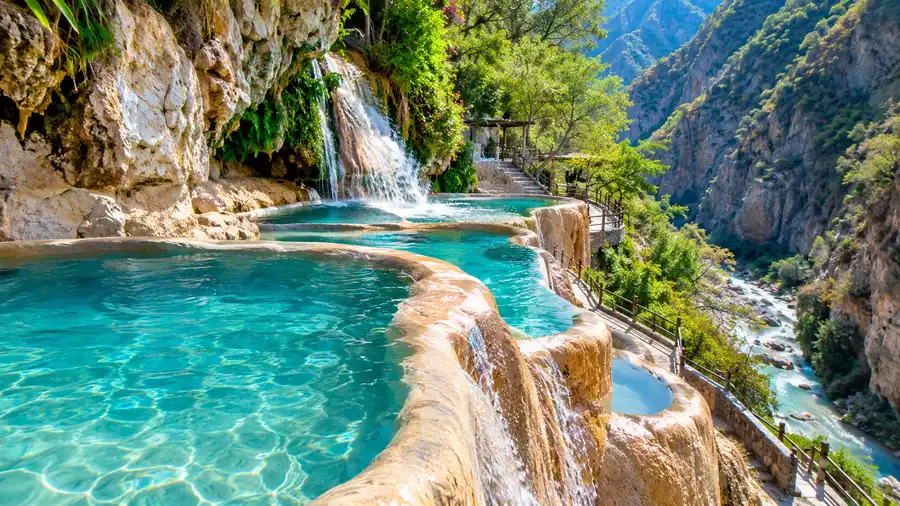
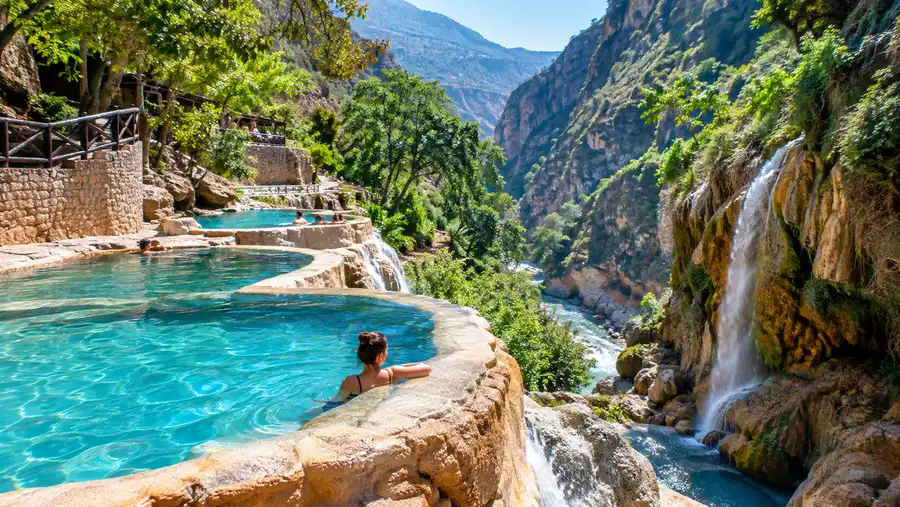
The postcard view you see everywhere belongs to Las Pozas. These rounded, stone-and-mortar tubs cling to the steep walls of the Paraíso Escondido section, stacked like giant swallows' nests against the cliff. There are roughly 40 of these basins stepping down the hillside. Each one catches warm water routed down through rubber tubes and stone channels from a thermal spring high above.
The water up top starts around 38°C (roughly 100°F). As it spills from one tub to the next down the cliff, it cools slightly, meaning the bottom pools sit closer to a mild bath. If you want heat that knocks the stiffness out of your joints, hike the 148 steps up to the highest tiers. The lower tubs suit long, lazy soaks where you can rest your elbows on the rounded rim and look out over the cactus-covered canyon floor.
Finding an empty tub is mostly a matter of timing. Arrive on a Tuesday at 7:30 AM, and you will share the entire mountainside with three other people, listening to morning doves echo off the limestone. Arrive at 2:00 PM on a holiday weekend, and you will share a single five-foot tub with a family of six while someone balances a michelada on the concrete wall beside your shoulder. The water recirculates constantly, so it stays remarkably clean despite the foot traffic, leaving a soft dusting of white limestone sediment on your skin.
Pro tip: Head straight for the tubs tucked furthest to the left along the wooden walkway near the zip-line landing; visitors tend to crowd the first six pools they see near the stairs, leaving the end tubs half-empty.
These mexico city pools on mountain ledges are what draw international photographers, but they are only one slice of the property. Behind the tubs sits a small suspension bridge that sways unnervingly over the gorge. Crossing it gives you a clear look down at the tree canopy below, though your wet feet will slip on the wooden slats if you try walking without proper water shoes.
Tolantongo Hot Springs Cave and the Main Waterfalls
Down at the canyon floor, the atmosphere shifts completely. The quiet soaking vibe disappears, replaced by the deafening roar of water. The main tolantongo hot springs cave sits at the base of a vertical cliff wall, directly beneath a curtain of falling thermal water known locally as the tolantongo waterfall.
Entering the cave takes a bit of nerve. You push through a heavy sheet of warm water falling from 30 meters above, step over slick boulders, and plunge chest-deep into a dark, warm cavern. The air inside is thick with steam and smells of wet gravel. Stalactites hang from the ceiling, dripping warm drops onto your head, while the water beneath you pushes with a strong, steady current toward the cave mouth. Lifeguards sit on elevated perches with flashlights, whistling whenever someone tries to swim into the unlit back crevices where the water depth drops past ten feet.
Just above the main cavern opening sits the entrance to the Túnel de Vapor. This is an artificial horizontal shaft boring roughly 40 meters into the mountain rock. Stepping into this tunnel feels identical to walking into a municipal steam room, except there are no tiled benches or shutoff valves. Near-boiling water sprays from cracks in the rock ceiling, collecting in an ankle-deep stream along the floor. The steam is so dense that your eyes take three minutes to adjust, and after five minutes your lungs will demand fresh, cool air. It serves as an intense natural sauna, built directly into the volcanic fault line.
Below the cave mouth, the tolantongo falls crash onto a wide shelf of smooth limestone before tumbling down to the valley floor. Swimmers wedge themselves into natural rock crevices directly under the falling water, using the weight of the thermal runoff as a heavy shoulder massage. It is loud, wet, and thrilling in a way that modern commercial spas never allow.
The Turquoise Tolantongo River and Thermal Runoff
All the water escaping from the cave and the hillside cascades gathers at the bottom of the gorge to create the tolantongo river. Unlike the brown, silt-laden rivers common in central Mexico, this water runs an opaque, glowing baby blue. The color comes from high concentrations of calcium carbonate and magnesium dissolved in the water as it passes through subterranean limestone beds heated by geothermal energy.
Cooperative workers have built dozens of small rock dams every few yards along the riverbed. These dams slow the rapid current, creating a series of shallow, warm wading pools that stretch for nearly a mile along the canyon floor. The water here runs cooler than in the cave, averaging about 34°C (93°F), which makes it far more comfortable under the baking afternoon sun.
| Thermal Sector | Average Water Temp | Crowd Factor | Physical Effort |
|---|---|---|---|
| Las Pozas (Cliffside Tubs) | 36°C - 38°C | Very High (Midday) | Moderate (many stairs) |
| La Gruta (Main Cave) | 37°C - 39°C | High | High (slippery, current) |
| Túnel de Vapor (Steam Tunnel) | 40°C - 42°C | Moderate | High (heat, tight space) |
| Tolantongo River | 33°C - 35°C | Spread Out | Low (shallow wading) |
The riverbank is where the camping happens. Hundreds of canvas tents line the gravel flats under the shadow of walnut and mesquite trees. At night, when the park floodlights switch off, campers sit on folding chairs with their feet submerged in the warm current, listening to the rushing water drown out the wind. You can rent tents, foam mattresses, and barbecue grills directly from the park staff on the riverbank, which saves you from dragging gear down into the gorge.
Walking barefoot along the river is a mistake. The riverbed consists of rounded river rocks, sharp limestone chunks, and broken twigs that will bruise soft arches within fifteen minutes. Sturdy rubber-soled water shoes are mandatory if you plan to explore the length of the riverbed.
Book your tolantongo caves experience:
Navigating Between Park Zones and Practical Gear
The biggest mistake first-time visitors make is assuming the park is flat. The distance between the cliffside tubs at Paraíso Escondido and the cave entrance at the bottom is roughly two kilometers of steep, winding mountain switchbacks. You do not want to hike this route in wet sandals after five hours of swimming.
Small passenger vans run constantly between the upper parking lot, the hotel clusters, and the lower riverbed. These colectivos cost 15 pesos per passenger each trip. The drivers do not wait on a schedule; they pull out as soon as every seat is occupied, which usually takes about three minutes. Keep a stack of small 10-peso and 20-peso coins in your dry bag, as the drivers cannot break 200-peso bills.
Before you commit to walking the trails between sections, take a close look at our practical guide on admission tickets and local costs, because cash is the only currency accepted anywhere on the property. No restaurant, locker window, or hotel desk takes card payments, and the nearest functional ATM sits an hour away in the small town of Ixmiquilpan.
- Footwear: thick-soled neoprene water shoes with grip, not basic pool flip-flops.
- Water protection: a certified 10-liter or 20-liter dry bag for your towel, phone, and cash.
- Lighting: a small waterproof headlamp if you want to explore the deep corners of the cave tunnel.
- Warm clothing: a fleece jacket for the evening, as desert canyon temperatures plunge once the sun drops behind the canyon rims.
Note: Lockers require a small cash deposit plus a daily rental fee; keep the tiny locker key attached to your wrist with the elastic band so it does not sink to the bottom of the rushing thermal river.
Best Times to Soak and Beating the Crowds
Because Tolantongo sits roughly four hours north of Mexico City, it serves as the ultimate weekend getaway for thousands of urban residents. The highway from Pachuca fills with tour buses by early morning on Saturdays. If you arrive on a weekend without an overnight hotel room booked, you will likely spend your afternoon bumping shoulders with day-trippers in murky water.
If you want to experience the waters of tolantongo at their most atmospheric, visit from Monday to Thursday. The thermal steam hangs thick over the empty blue pools at dawn, and the only sounds are bird calls and water sloshing against rock. Mid-week visitors can easily bounce between private cliffside tubs without ever waiting their turn.
For those stuck with weekend schedules, the only viable strategy is staying on-site. Securing a room at one of the four basic cooperative-run lodges - which you can review in our guide to hotels and lodging around Tolantongo - gives you access to the pools before outside gates open. Overnight guests get early morning access to the grounds, meaning you have roughly two golden hours between 7:00 AM and 9:00 AM before the tour buses roll past the entrance booth.
- 07:00 AM to 09:00 AM: soak in the upper cliffside pozas while the morning mist still covers the Mezquital valley.
- 09:30 AM to 11:30 AM: hike down to explore the steam tunnel and main cave before the mid-morning bus tours descend.
- 12:00 PM to 03:00 PM: retreat to a riverside restaurant for grilled cecina and cold beer while the midday crowds peak.
- 04:00 PM to 06:00 PM: wade into the wide, sunny sections of the warm river as day visitors pack up their buses.
Frequently Asked Questions about tolantongo thermal pools
How warm is the water in the pools and caves?
The water temperatures range between 34°C and 40°C (roughly 93°F to 104°F) throughout the park. The hottest water sprays inside the enclosed steam tunnel and the top tiers of the cliffside tubs, while the wide river running through the bottom of the canyon stays pleasantly warm at around 34°C.
Can you visit Tolantongo as a single day trip from Mexico City?
Yes, but it makes for an exhausting day. The one-way drive takes roughly 3.5 to 4.5 hours depending on Indios Verdes traffic, which means you spend up to nine hours inside a car or bus. Leaving the city by 5:00 AM is essential if you want enough daytime hours to justify the long journey.
Is the water clean and safe for swimming?
The water is fresh mineral runoff that constantly flushes through the system, meaning it does not sit stagnant like an untreated swimming pool. However, swallowing the water is not recommended due to high concentrations of dissolved minerals like sulfur and calcium carbonate, which can easily upset sensitive stomachs.
Quick Reference
- Water temperature: 34°C to 40°C depending on zone
- Payment policy: strictly cash only across all facilities
- Colectivo van fare: 15 pesos per person each way
- Peak crowd hours: 11:00 AM to 4:00 PM on weekends
- Essential gear: heavy-duty water shoes and a waterproof dry bag
Book your tolantongo caves experience:
The Bottom Line
Tolantongo is not a pristine, untouched hot spring hidden in the woods, and treating it like one will only leave you frustrated by the concrete sidewalks and loudspeaker announcements. It is a loud, communal, visually stunning Mexican water paradise built straight into the side of a barren gorge. Come prepared with thick rubber water shoes, a pocket full of twenty-peso notes, and realistic expectations about personal space. If you manage to slip into a cliffside basin just as the morning sun crests the canyon rim, you will instantly understand why thousands of people make the bumpy drive down this canyon every single week.
Read more about tolantongo caves.